
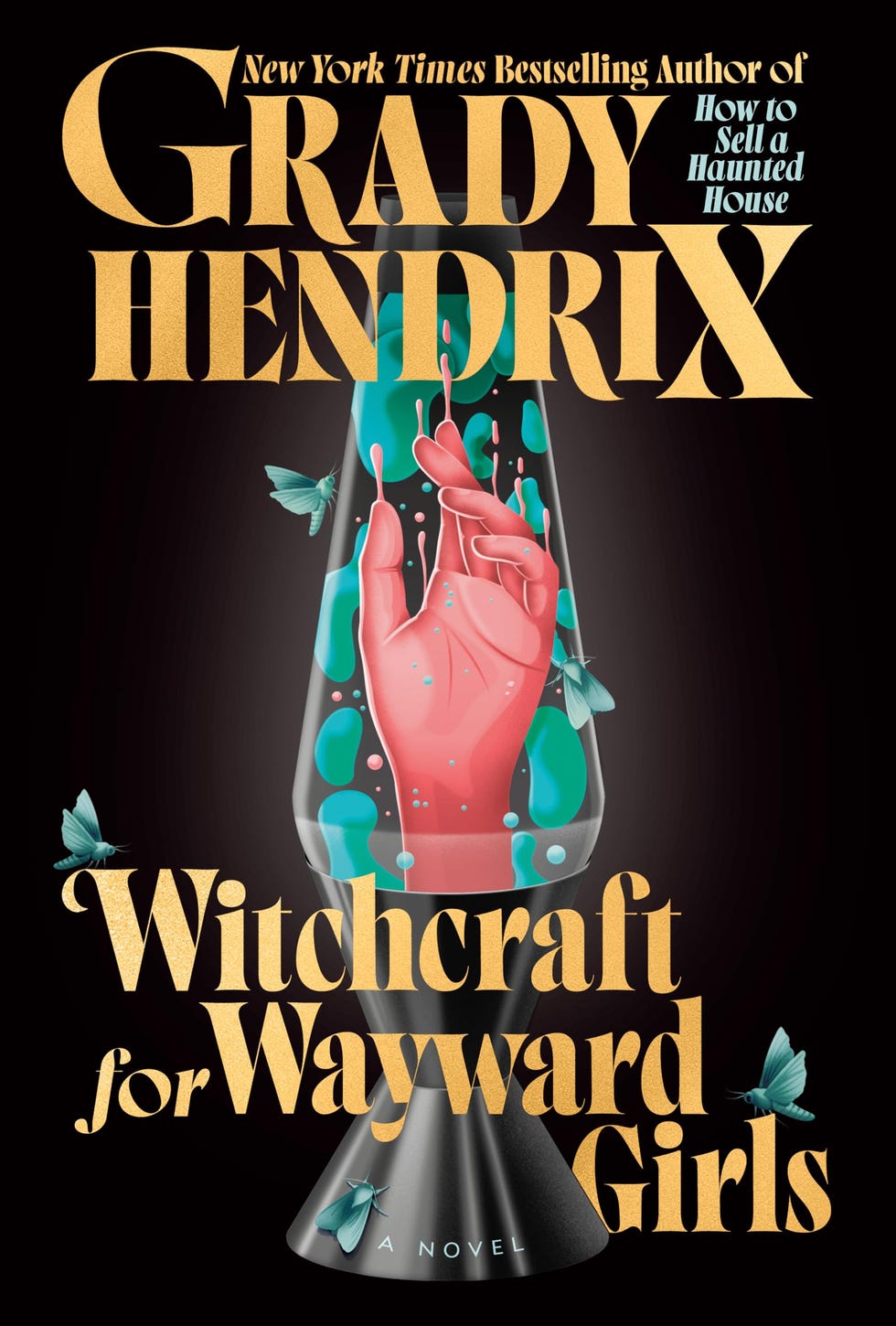
They call them wayward girls. Loose girls. Girls who grew up too fast. And they’re sent to the Wellwood Home in St. Augustine, Florida, where unwed mothers are hidden by their families to have their babies in secret, give them up for adoption, and most important of all, to forget any of it ever happened.
Fifteen-year-old Fern arrives at the home in the sweltering summer of 1970, pregnant, terrified and alone. Under the watchful eye of the stern Miss Wellwood, she meets a dozen other girls in the same predicament. There’s Rose, a hippie who insists she’s going to find a way to keep her baby and escape to a commune. And Zinnia, a budding musician who knows she’s going to go home and marry her baby’s father. And Holly, a wisp of a girl, barely fourteen, mute and pregnant by no-one-knows-who.
Everything the girls eat, every moment of their waking day, and everything they’re allowed to talk about is strictly controlled by adults who claim they know what’s best for them. Then Fern meets a librarian who gives her an occult book about witchcraft, and power is in the hands of the girls for the first time in their lives. But power can destroy as easily as it creates, and it’s never given freely. There’s always a price to be paid…and it’s usually paid in blood.
The most unsettling scene in this book is the first baby delivery. Once Fern goes unconscious, the POV slips away to the doctor treating her and takes on this cold, impersonal tone that basically describes the sterile and distant way of delivering babies they had. It emphasizes the minimization of motherhood and places it in the hands of people who do not care, necessarily, and are just doing their jobs. I wanted to throw up when the doctor decided to put in “two extra stitches, for tightness”. No one listened. No one gave Fern the time of day. Sure, she didn’t have the pain, but somehow the pain of motherhood feels sacred when Holly delivers her baby.
It was a book filled with pain, with terror of the unknown, with interrupted love. I’m going to go insane with the fact that Grady Hendrix wrote it as a cis man. His references— doctors, women, relatives— certainly gave him a lot to work with, and it was a harrowing journey with the girls. I cried.
They’re just kids, man.