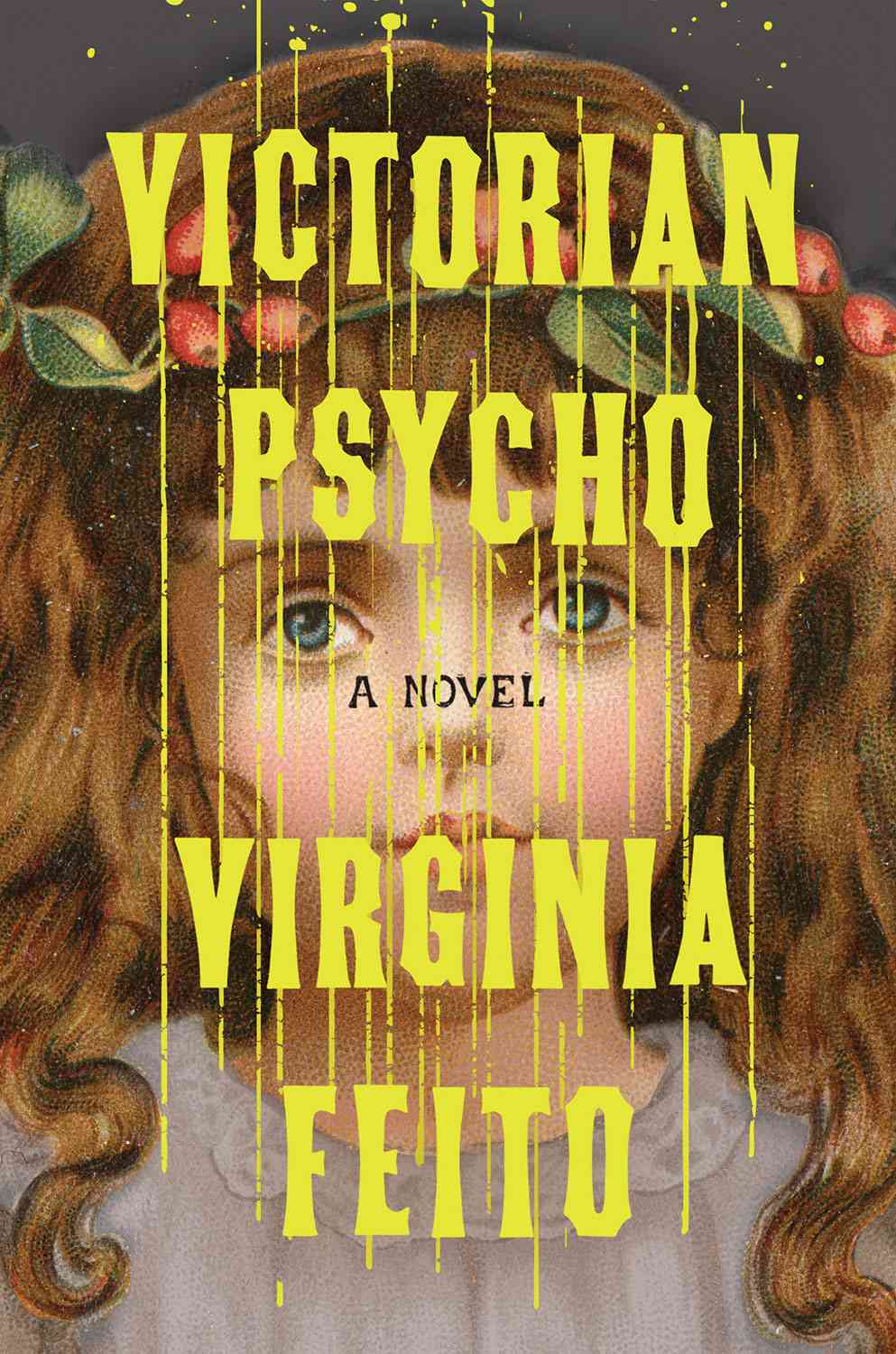
Winifred Notty arrives at Ensor House prepared to play the perfect Victorian governess. She’ll dutifully tutor her charges, Drusilla and Andrew, tell them bedtime stories, and only joke about eating children. But the longer Winifred spends within the estate’s dreary confines and the more she learns of the perversions and pathetic preoccupations of the Pounds family, the more trouble she has sticking to her plan.
Whether creeping across the moonlit lawns in her undergarments or gently tormenting the house staff, Winifred struggles at every turn to stifle the horrid compulsions of her past until her chillingly dark imagination breaches the feeble boundary of reality on Christmas morning.
Wielding her signature sardonic wit and a penchant for the gorgeously macabre, Virginia Feito returns with a vengeance in Victorian Psycho.
I have to confess: I have never read American Psycho. Not yet, anyway. This one has been appearing on list after list of horror reading and I wasn’t disappointed.
From my journal:
Feast once again on loved- and unloved. This book fascinates me. Many period books in Victorian England romanticize lots of aspects of life back then, but this one pulls the bleaker details, gross details, questionable details, and pairs them with the main character— A woman of intense character who only does things to further her own interests, with a particular love for the grim and grisly.
I wish I had once read American Psycho for a reference, but I did read the oft-referenced Yellow Wallpaper. It almost feels like a direct reaction to such treatment that Winifred reacts. She is mad and I love it and am entirely grossed out by it.
My favorite quote from the beginning is, “Oh, are we not allowed to eat the children?”
I think Remy would like this one. If he hasn’t already read it. I wish I could get Karen to read it because there are certainly literary references that I’m not getting, but I really like the details in the book. Honestly… I learned more about the Victorian era bathrooms here than I have reading any other period piece that I have.
(Related, I love how she always picked out an obituary page to wipe her ass on)
Even the food fascinated me. The way she looked at it, as the chunks of meat and gore that food actually is, was telling. It’s all the same to her. Human meat. Rotting meat. Food is meat.
I liked the framing of the story, where time was bleary and Winifred basically looked at the reader to try to tell them what happened. Her thrill at doing wrong and doing things was amazing. It looked like every time she was admonished for something, or punished, she decided to go further from the boundary between sane and beyond help on purpose.